





Ready to find the right fit? Scroll up to browse the full lineup — from budget-friendly latex squeakers to heavy-duty rubber chew sticks built for power chewers.
- Sale!
 Dog Toys
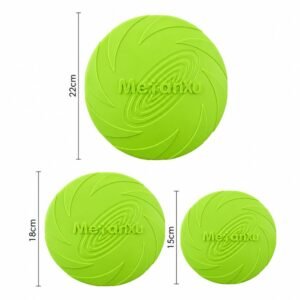
Bite resistant dog flying disc – soft rubber frisbee for dogs
Price range: $4.99 through $7.99 This product has multiple variants. The options may be chosen on the product page - Sale!Dog Toys
Cute squeaky chicken dog toy – waterproof rubber chew toy
Price range: $8.99 through $19.99 This product has multiple variants. The options may be chosen on the product page - Dog Toys
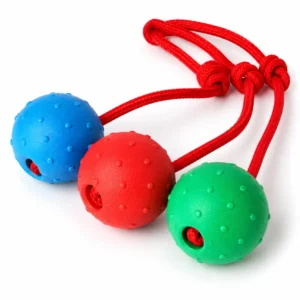
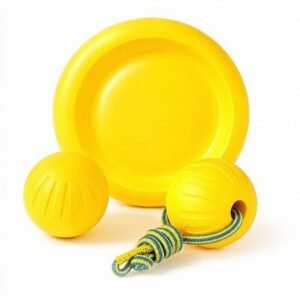
Dog Ball on Rope – Tug of War & Fetch Toy for Dogs
Price range: $12.99 through $16.99 This product has multiple variants. The options may be chosen on the product page - Sale!Dog Toys
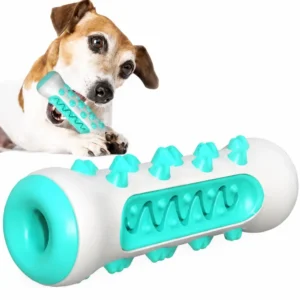
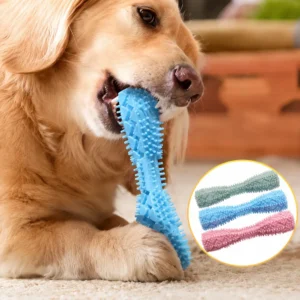
Dog molar toothbrush chew toy for medium to large dogs
Original price was: $16.99.$14.99Current price is: $14.99. This product has multiple variants. The options may be chosen on the product page - Sale!Dog Toys
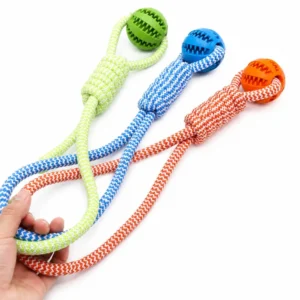
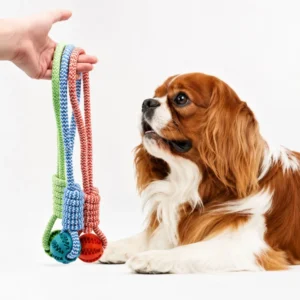
Dog Rope Toy with Rubber Dental Ball – Chew, Tug & Fetch Toy for Dogs
Price range: $8.99 through $12.99 This product has multiple variants. The options may be chosen on the product page - Sale!Dog Toys
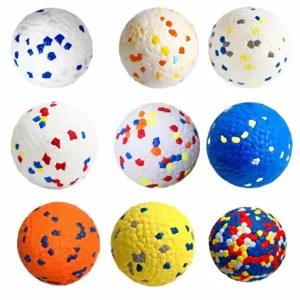
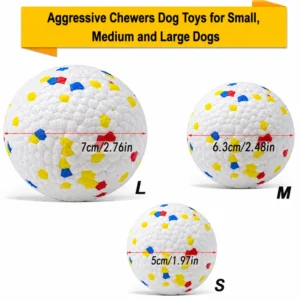
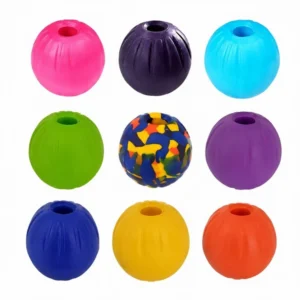
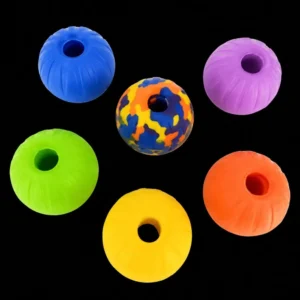
E-TPU dog ball – bouncy, floating fetch toy for dogs
Price range: $8.99 through $24.99 This product has multiple variants. The options may be chosen on the product page - Sale!Dog Toys
EVA foam dog ball – hollow, floating chew and training toy
Price range: $9.99 through $12.99 This product has multiple variants. The options may be chosen on the product page - Dog Toys
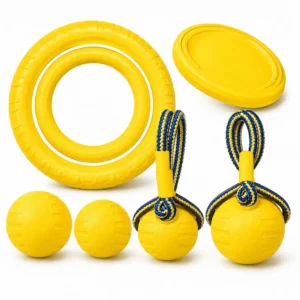
EVA foam dog toy set: flying disc, pull ring & tug ball
Price range: $10.99 through $49.99 This product has multiple variants. The options may be chosen on the product page - Dog Toys
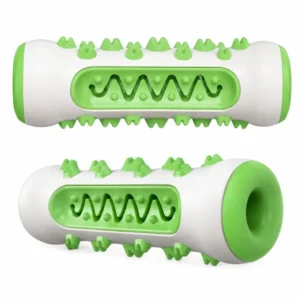
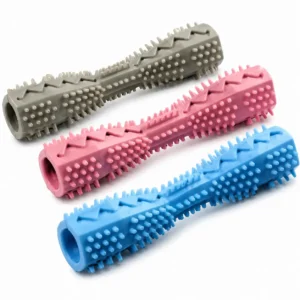
Hexagonal dog toothbrush stick with dental cleaning grooves
Price range: $11.99 through $24.99 This product has multiple variants. The options may be chosen on the product page - Dog Toys
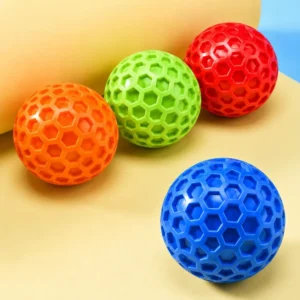
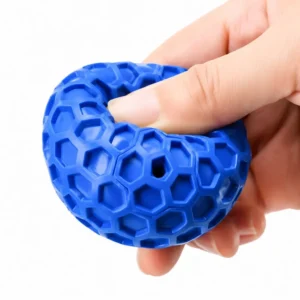
Honeycomb Squeaky Dog Ball – Natural Rubber Chew Toy for Dogs
Price range: $12.99 through $29.99 This product has multiple variants. The options may be chosen on the product page - Dog Toys
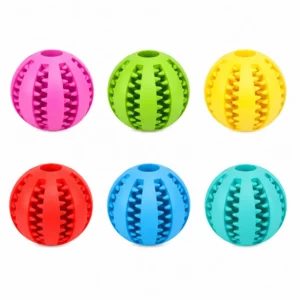
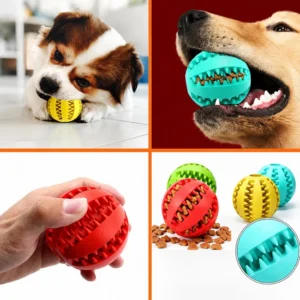
Interactive dog treat dispensing rubber ball
Price range: $9.99 through $12.99 This product has multiple variants. The options may be chosen on the product page - Sale!Dog Toys
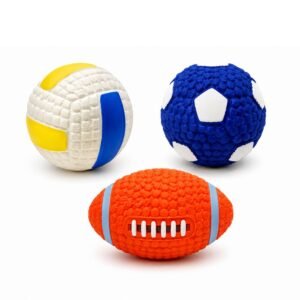
Latex Squeaky Dog Toy Ball – Football, Soccer & Volleyball Designs
Price range: $12.99 through $32.99 This product has multiple variants. The options may be chosen on the product page
Rubber dog toys are one of the most versatile picks for pet parents — durable enough for regular chewing, bouncy enough for fetch, and available in shapes built for almost every kind of play. This collection brings together rubber, latex, EVA foam, and E-TPU toys, including squeaky balls, treat-dispensing toys, chew sticks, and animal-shaped toys, so you can match a toy to your dog’s size, chewing strength, and favorite way to play. Prices range from budget-friendly single toys under $10 to multi-toy sets for pet parents who want more variety in one order.
What Makes Rubber Dog Toys a Good Choice
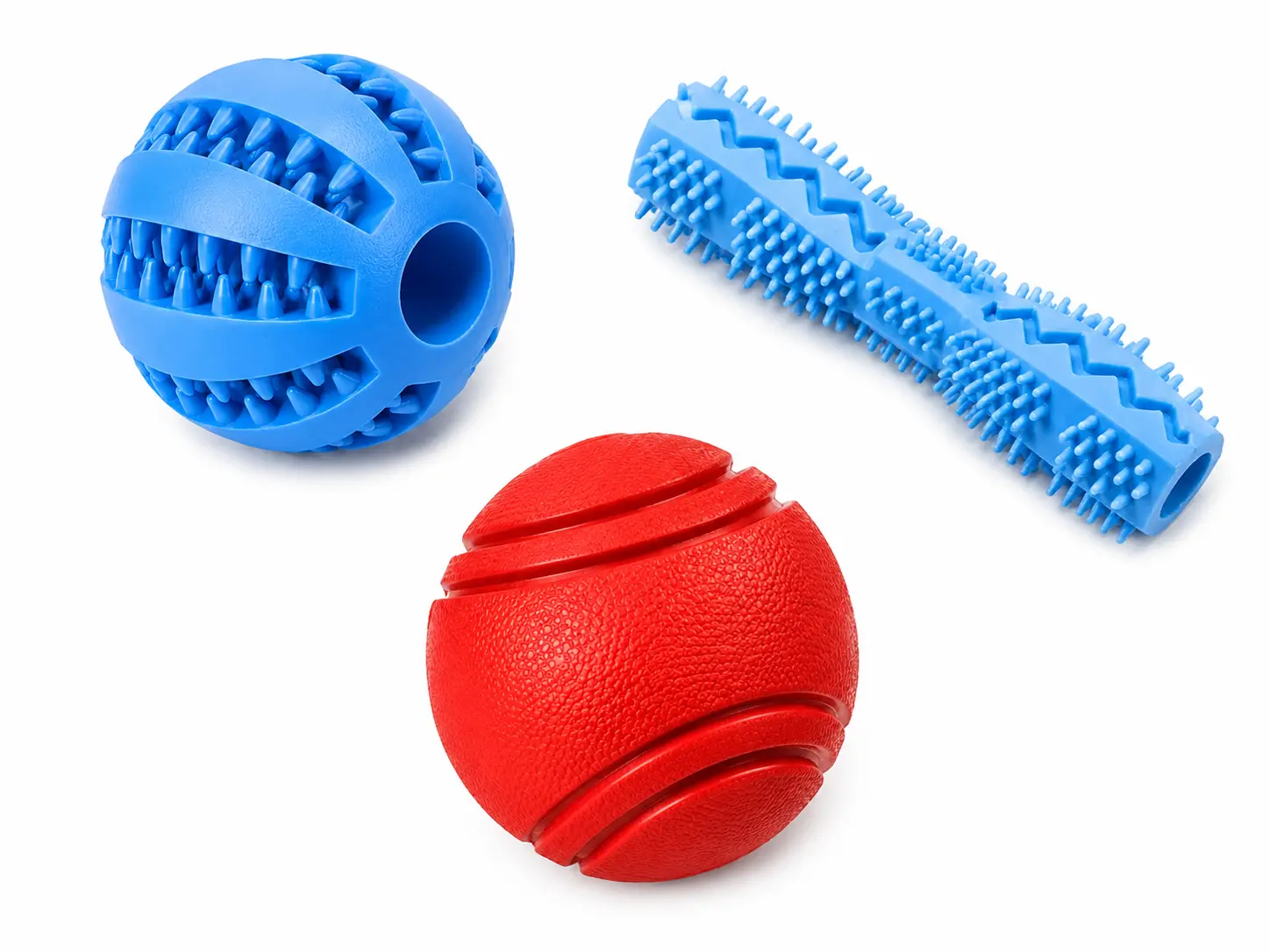
Not all “rubber” toys are built the same, and knowing the difference helps you pick one that actually holds up. True rubber and TPR (thermoplastic rubber) toys — like the honeycomb squeaky ball (rubber) and hexagonal chew stick (TPR) in this range — tend to be denser and hold up well against regular chewing, which makes them some of the most dependable rubber chew toys for dogs who chew often. Latex toys, such as the football, soccer ball, and volleyball-style squeaky balls, are softer and squeakier, and tend to suit gentler chewers better than persistent ones. EVA foam toys, like the pull-ring and disc set, are lightweight and float, which makes them a better match for fetch and water play than for prolonged chewing. E-TPU balls sit in between — bouncy, with good rebound for active fetch sessions.
Rubber Dog Toys for Every Play Style
- Chew & dental: The hexagonal chew stick and molar-shaped toothbrush toy, both made from TPR, are built with textured grooves. That texture works like a light, repeated scrub against the teeth with every bite — over time, that can mean less plaque left behind to harden into tartar. Chew toys work alongside brushing and vet checkups, not as a replacement for either.
- Squeaky & interactive: Squeaky rubber dog toys like the chicken toy and the rubber animal shapes (donkey, cow, elephant) tap into a dog’s instinct to hunt and “catch,” while the treat-dispensing ball turns snack time into an interactive challenge that keeps dogs engaged longer.
- Fetch & outdoor: The flying disc, dog ball on rope, E-TPU ball, and EVA foam set are built for throwing, chasing, and outdoor play — several float, so they double as water toys.

Best Picks for Aggressive Chewers
If your dog chews with real force, picking the right rubber dog toys for aggressive chewers comes down to density more than size. The honeycomb ball and hexagonal chew stick hold up better against forceful chewing than softer latex or foam options. No toy is entirely chew-proof, so it’s worth a regular look for splits, tears, or bite marks as your dog uses it.
Choosing the Right Size and Age Fit
Beyond material, two things narrow down which toy fits your dog: size and life stage.
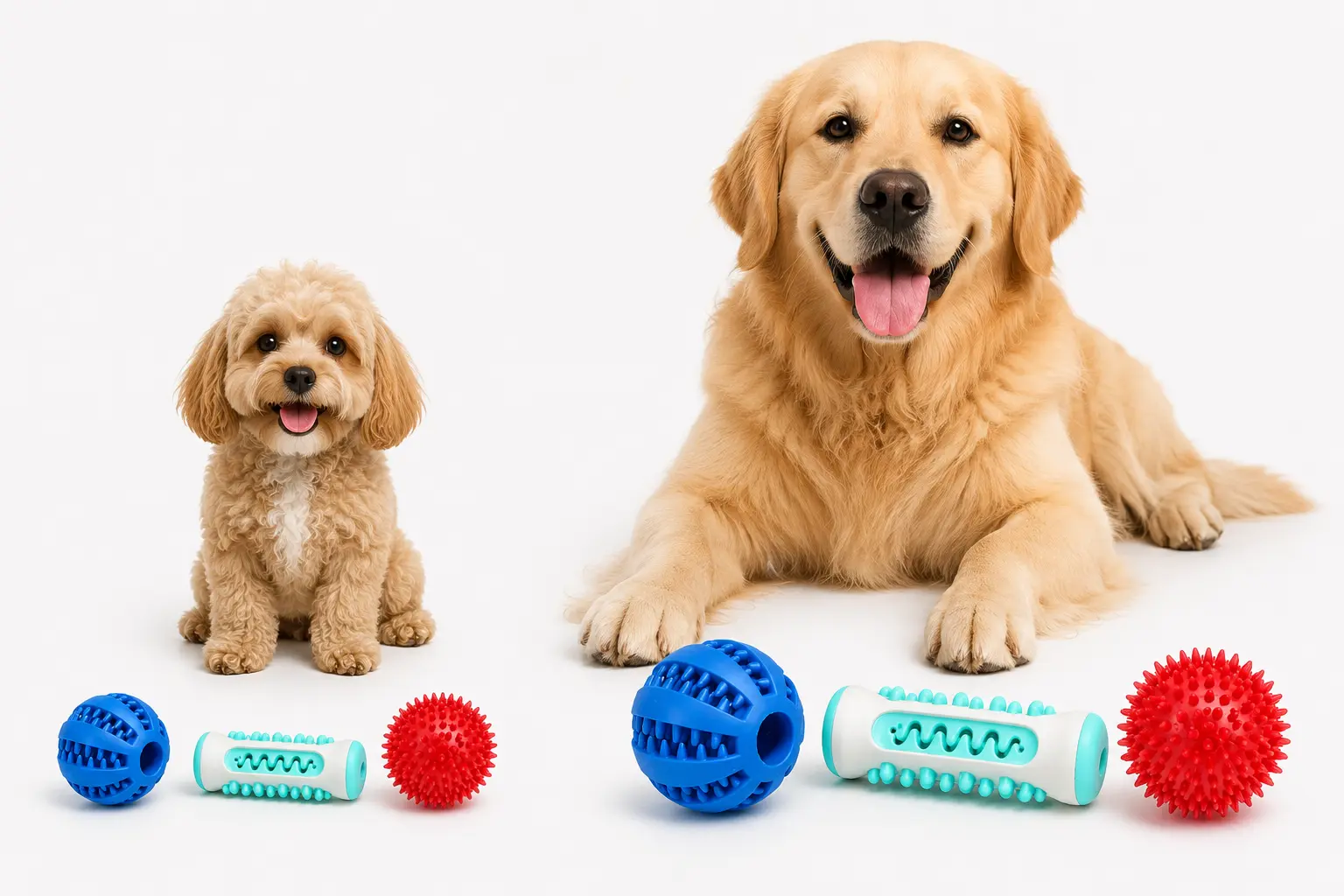
- Size: A toy that’s too small is a choking risk — pick one your dog can hold and mouth comfortably without being able to swallow it whole.
- Age: Puppies and senior dogs often do better with softer latex or foam toys, which are gentler on developing or aging teeth and gums. Check each product listing’s size and firmness details before choosing for a puppy or senior dog.
Rubber Dog Toy Safety Tips
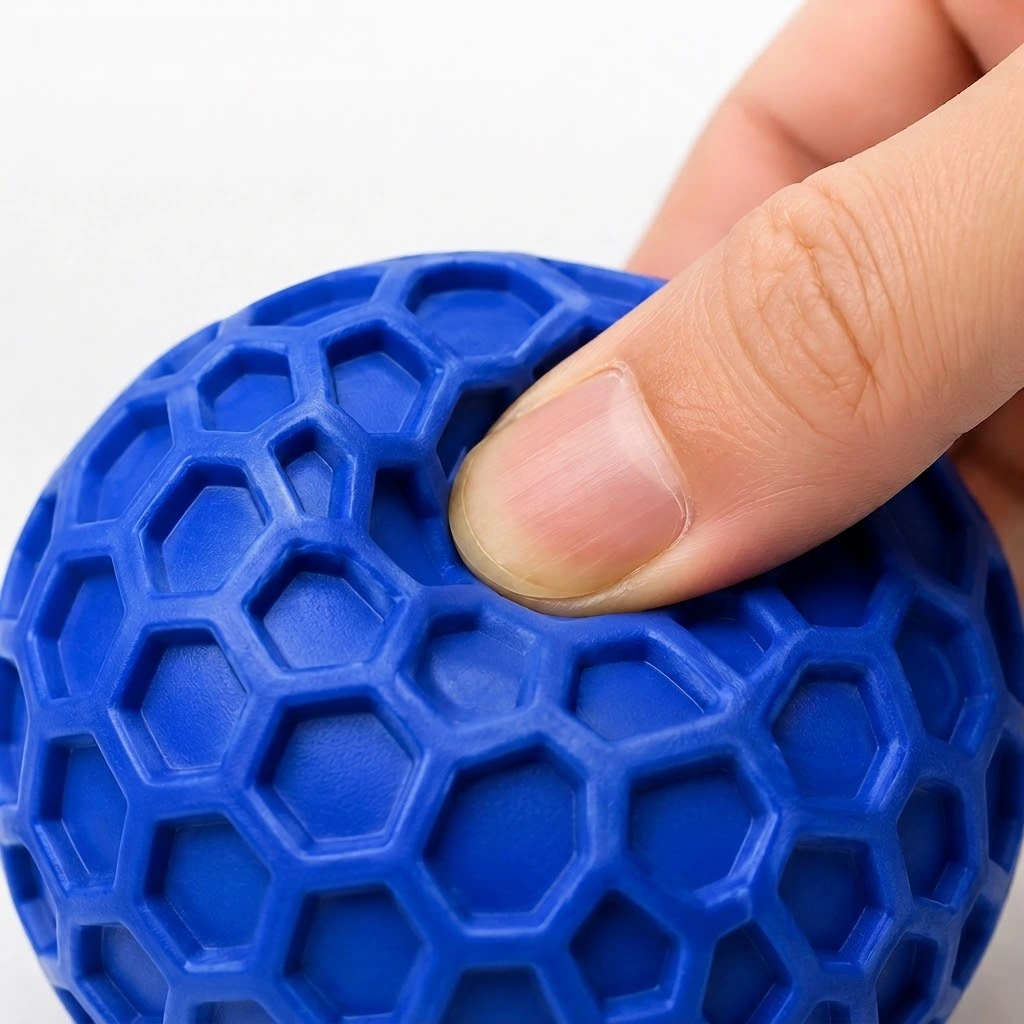
A simple way to judge whether a toy is too hard: press your fingernail into the surface — if you can’t leave a slight dent, the toy may be too hard for daily chewing and could risk tooth damage for some dogs. This is a widely used rule of thumb among vets and trainers, not a rule specific to any one toy here.
Beyond hardness, watch for physical damage: remove any toy with cracks, missing chunks, or an exposed squeaker right away, since those become choking hazards fast. If your dog tends to destroy toys quickly regardless of hardness, a sturdier rubber or TPR option is usually the safer long-term choice over latex or foam.
Looking for more chew options? Browse our full range of Dog Chew Toys, or check out Dog Rope Toys for tug-and-fetch styles that pair rope with rubber.