

Dog rope toy for aggressive chewers: what actually holds up
If your dog treats every rope toy like a five-minute puzzle to solve, you’ve probably already thrown out a few that didn’t survive the first tug-of-war. Some dogs chew to relax. Others chew like it’s a job. This guide is for the second kind of dog, and for the question that actually matters before you buy another rope toy: what makes one last, and how do you use it without watching the clock the whole time?
Why aggressive chewers respond so well to rope toys
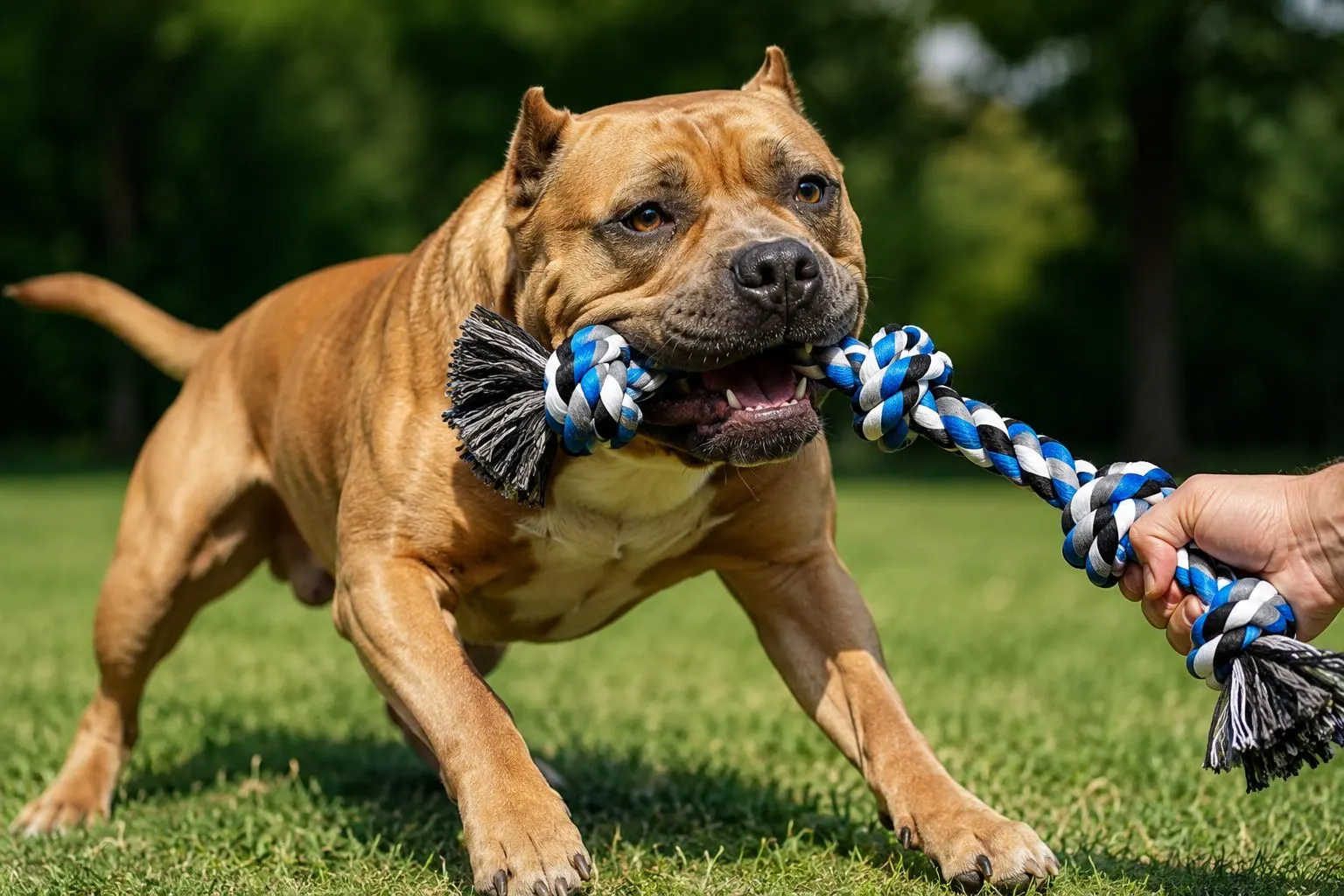
Dogs that chew hard aren’t usually being destructive for no reason. Tugging and gripping taps into something instinctive that a solo chew toy just doesn’t satisfy the same way. A rope toy gives your dog something to pull against, which is part of why tug-of-war burns off pent-up energy so well.
It’s also one of the few toys that turns chew time into a shared activity, instead of something your dog does alone in the corner. The catch is that not every rope toy is built to handle a dog who treats each session like round one of a wrestling match, which is exactly what the rest of this guide gets into.
What makes a rope toy last longer under heavy chewing
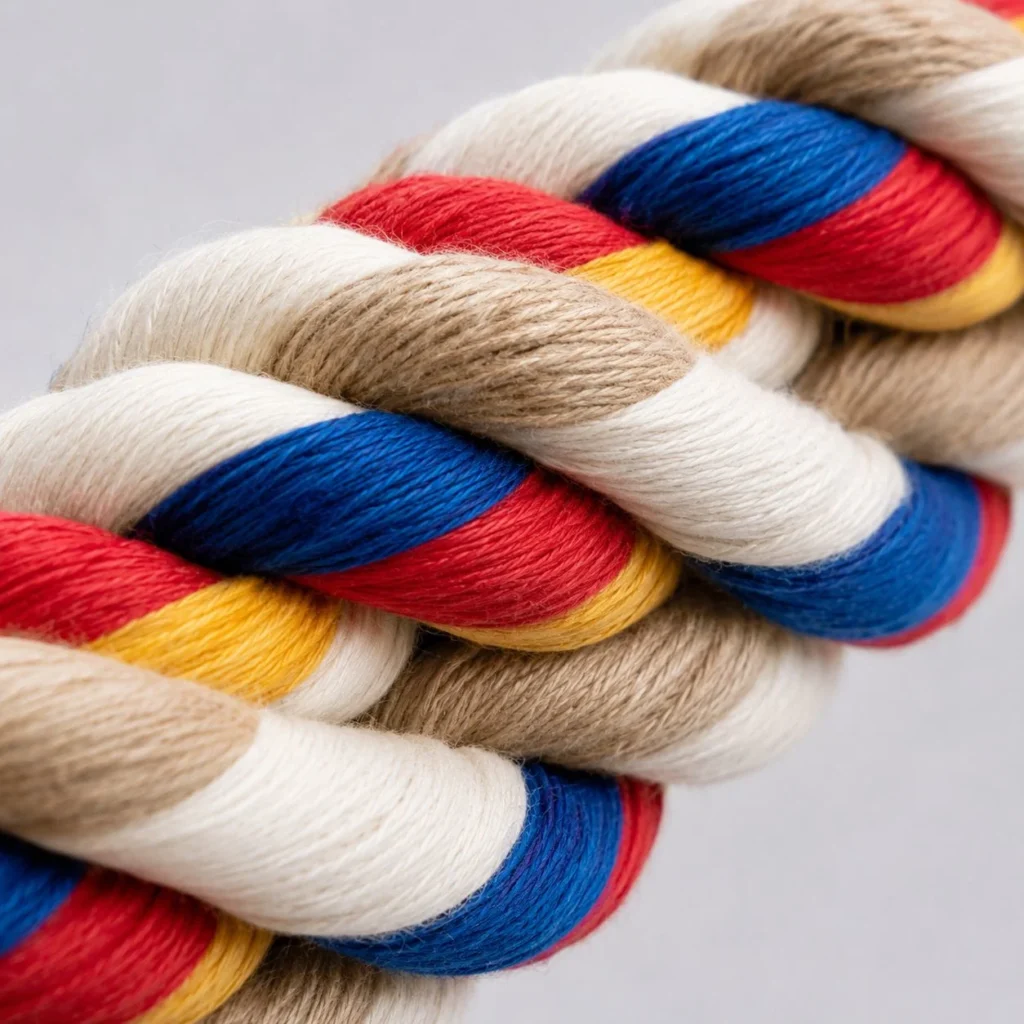
Two rope toys can look nearly identical and hold up completely differently once a strong chewer gets hold of them. What matters is how the rope is constructed, how tightly it’s wound, and how the ends are finished. A single loosely twisted strand frays fast, since there’s nothing holding the fibers together once your dog starts working at one spot.
A rope made from multiple strands twisted or braided together spreads that wear across more material, so it takes longer for any one section to give out. Reinforced or knotted ends matter too, since that’s usually where a determined chewer goes to work first. Length plays a role as well: a longer rope simply gives the wear more room to spread out, instead of concentrating near a single handle or knot.
Cotton vs. cotton-blend construction
Cotton rope is a common choice because it’s gentle on gums while still holding up to steady pressure, and it tends to soften slightly with use instead of turning brittle. Some rope toys blend in other fibers for added strength, but a well-constructed all-cotton rope, tightly twisted, can still hold up well for dogs that chew hard without specifically shredding fabric. The fiber blend matters less than how tightly it’s wound. A loose weave wears out fast no matter what it’s made from.
Choosing the right dog rope toy for aggressive chewers
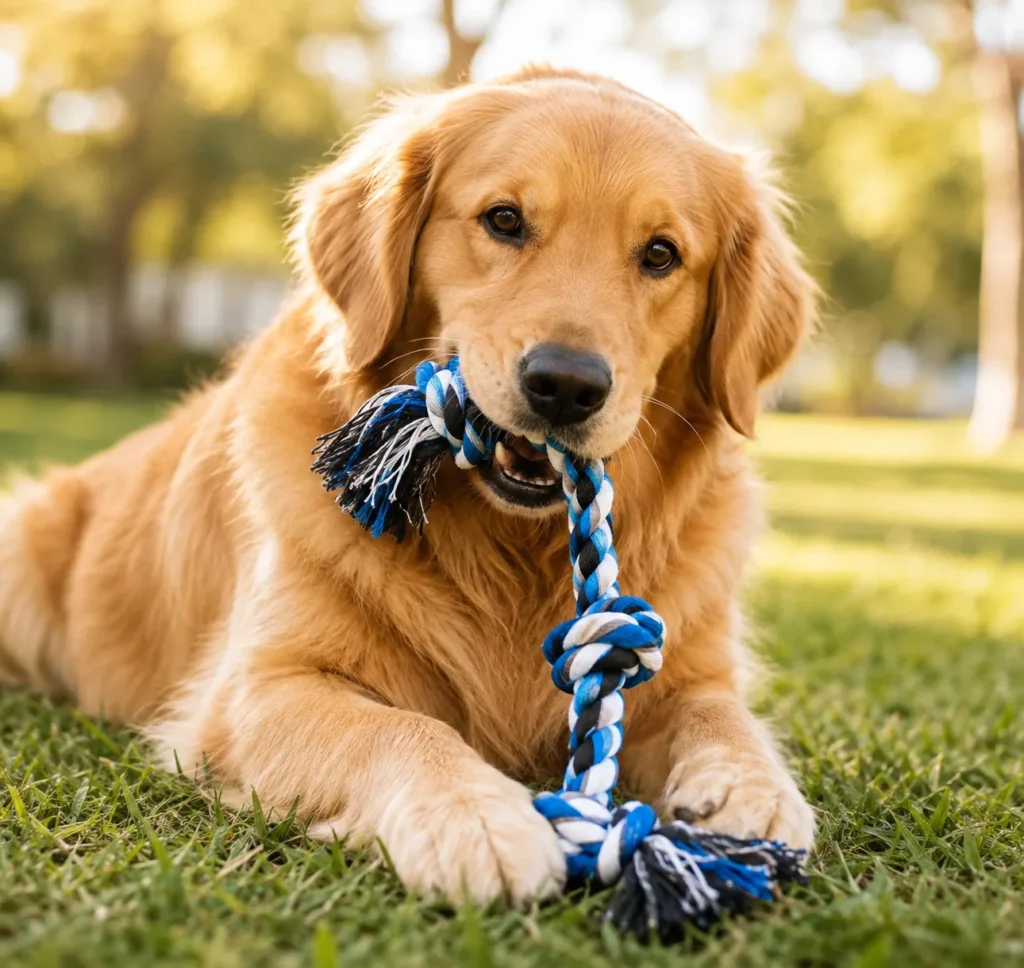
The right rope toy depends on your dog’s size and how they like to play, not just how hard they bite. A Heavy Duty Dog Rope Toy built with a longer length (around 35 inches / 90 cm) and multiple reinforced knots gives large and medium dogs plenty of rope to grip during tug-of-war, without your hand ending up too close to their mouth.
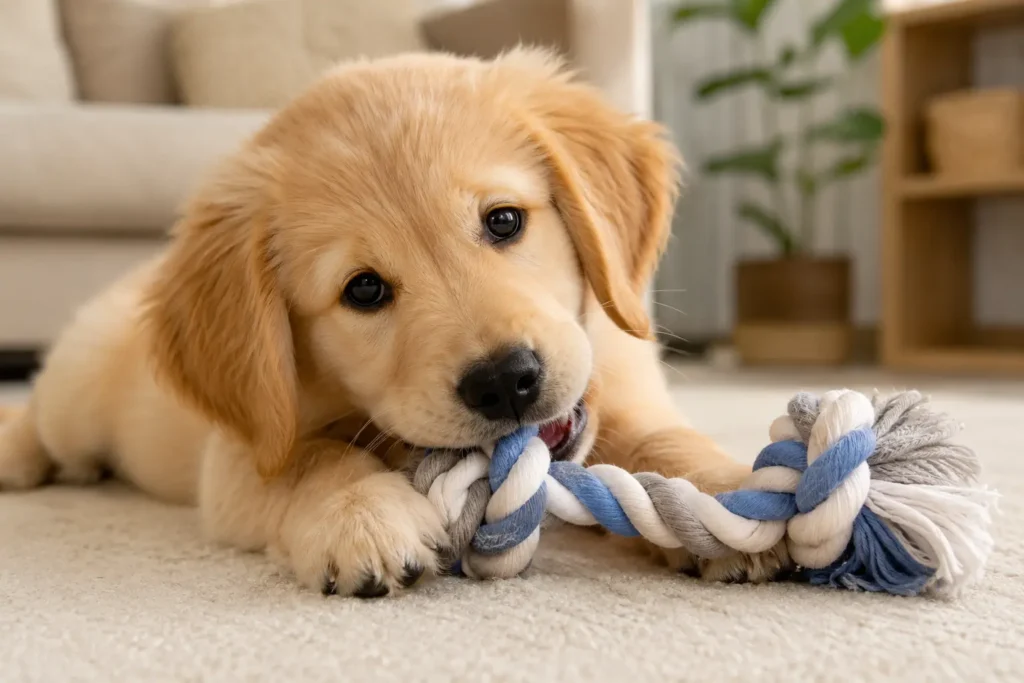
If you’ve got a teething puppy or a dog still growing into their bite, a Loop Handle Dog Rope Toy with grips on both ends works well for shared tug sessions, and comes in two lengths, 45cm (about 17.7 inches) and 60cm (about 23.6 inches), so you can match it to where your dog is right now. If your dog leans more toward independent play, a Bungee Dog Tug Toy with a shock-absorbing handle adds give during hard pulls, easing strain on both your dog’s teeth and your own grip.
How to use a rope toy safely with a strong chewer
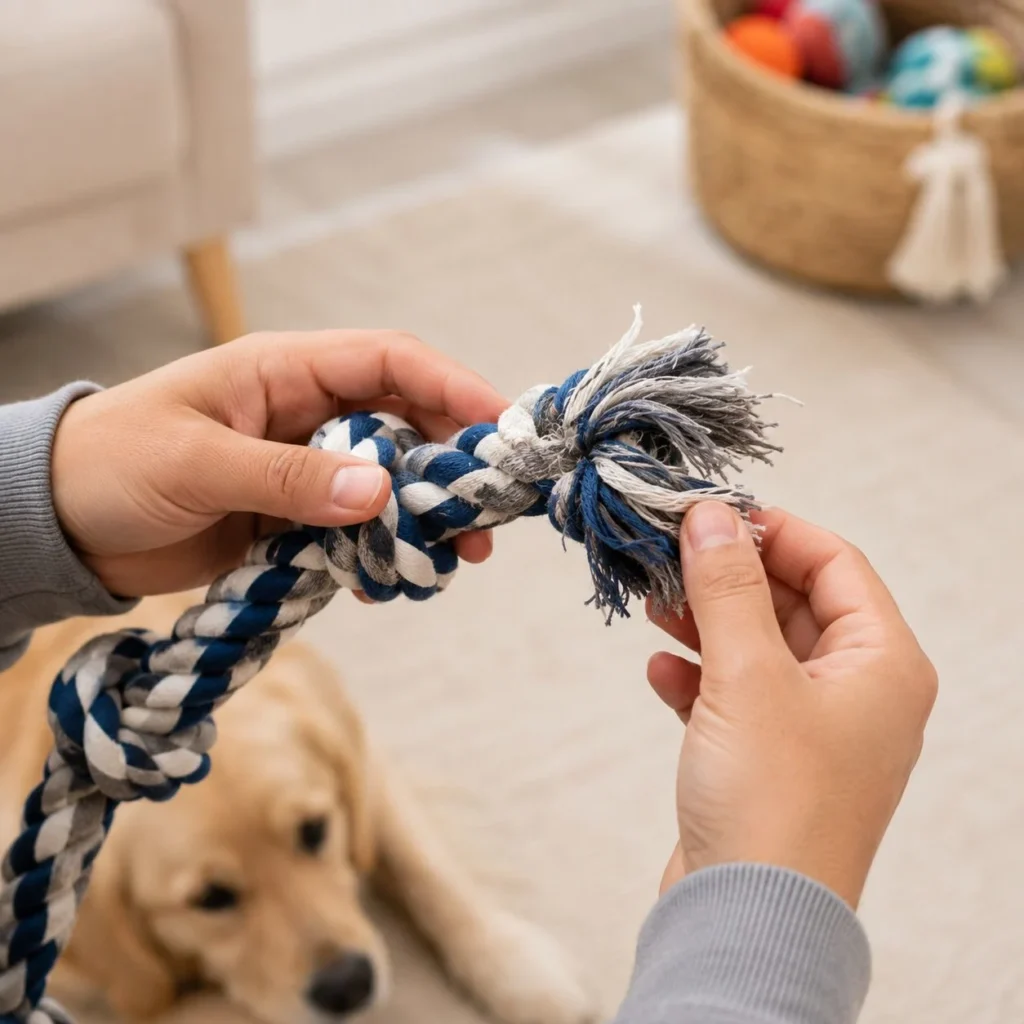
The toy itself is only half the equation. Supervision is what actually keeps rope toy play safe, since the real risk isn’t whether the rope holds up, it’s what happens if a piece comes loose and your dog swallows it. Get in the habit of checking the rope every so often for fraying, loose threads, or a knot starting to loosen. Once you spot real wear, retire the toy rather than let your dog keep working at the loose end. That applies whether your dog chews steadily through long sessions or just gives the rope a few hard tugs before moving on to something else. For general guidance on choosing safe toys for heavy chewers, the ASPCA’s position statement on dog chews and treats is a solid reference.
Is any rope toy truly built to survive every chewer?
No rope toy is built to survive every chewer indefinitely, and any toy marketed that way is overselling what rope can do. What a well-made rope toy can offer is a longer runway before normal wear sets in, especially next to thin, loosely twisted versions. Even a thick, tightly wound rope will eventually fray with steady use, and that’s expected wear, not a flaw. The realistic goal isn’t finding a rope that never wears out. It’s finding one that holds up longer, and knowing when it’s time to swap it out.
Who a rope toy is (and isn’t) the right fit for
A rope toy is a good fit for dogs who like to tug, chew steadily, and play under your supervision, whether that’s a determined adult dog or a puppy working through teething. It’s less suited to dogs who shred fabric quickly and swallow what they pull off, since that habit works against what any rope toy, however well-built, can safely handle. If that sounds like your dog, a solid rubber or nylon chew toy built for unsupervised gnawing is probably the better call, at least for the moments you can’t watch them closely.
Frequently asked questions
Are rope toys safe for aggressive chewers?
They can be, as long as play is supervised. The risk with aggressive chewers isn’t the rope itself, it’s unsupervised chewing that lets loose fibers get swallowed, so keeping an eye on playtime is what makes the real difference.
Can a dog get sick from swallowing rope toy fibers?
Yes, swallowed rope fibers can cause digestive issues in some cases, which is why it’s worth checking your dog’s rope toy regularly and retiring it once it starts to fray or come apart.
How do I know when to replace a rope toy?
Once you notice fraying, loose threads, or a knot starting to loosen, it’s time to swap in a new one. Waiting until the toy is falling apart increases the odds that your dog swallows a loose piece.
Do rope toys actually help clean my dog's teeth?
The textured strands can rub against teeth and gums during chewing, which may help during play, though a rope toy isn’t a substitute for regular dental care.
Is any dog rope toy truly indestructible?
No single rope toy is. If a listing promises “indestructible,” treat that as marketing rather than a guarantee, and judge the toy on its construction (tight braiding, reinforced knots, real thickness) instead of the label on the package.
Order your dog rope toy today
A rope toy built for real tug-of-war and steady chewing gives your strong-willed dog something to actually work with, instead of falling apart after one session. Browse our full Dog Rope Toys collection to find the right fit for your dog.
Pingback: Best Dog Rope Toys for Puppies: A Gentle, Honest Buying Guide
Pingback: Large Dog Rope Toy Guide: Size, Material, and Safety Basics
Pingback: Are Rope Toys Safe for Dogs? The Honest Answer, Explained
Pingback: Best Animal Shaped Rope Toys for Dogs | Safe Pet Place
Pingback: Best Rope Ball Toy for Dogs: Sizing, Safety & Care Guide
Pingback: Rubber Dog Toys vs Rope Dog Toys
Pingback: Best Durable Rubber Dog Toys for Aggressive Chewers